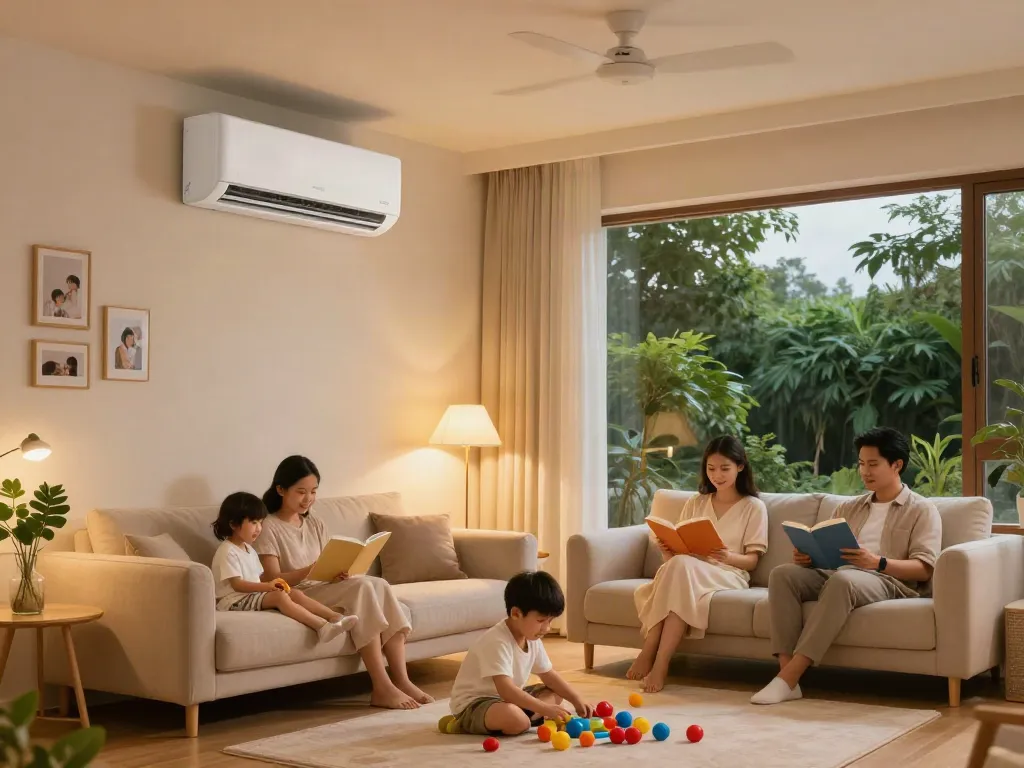
Understanding Ductless Air Conditioners
Ductless air conditioners have gained popularity in recent years, and for good reason. These innovative cooling systems provide a versatile solution for both residential and commercial spaces. Unlike traditional air conditioning systems that rely on extensive ductwork, ductless mini-splits offer a more flexible installation approach that can save space and energy costs. In this article, we will delve into the mechanics, benefits, and considerations of ductless air conditioning systems, helping you determine if they are the right fit for your cooling needs. When exploring options, ductless air conditioner provides comprehensive insights into various models and features available in the market.
What is a Ductless Air Conditioner?
A ductless air conditioner, commonly referred to as a mini-split system, consists of two main components: an outdoor condenser unit and one or more indoor air handling units. The outdoor unit is responsible for expelling heat from the refrigerant transferred from the indoor units, while the indoor units distribute cool air directly into the living space. This setup allows for zoned cooling, meaning different rooms can be cooled independently, providing comfort where it is needed most.
How Does a Ductless Air Conditioner Work?
Ductless systems operate using a refrigerant that circulates between the indoor and outdoor units. During the cooling process, the indoor unit absorbs heat from the room and transfers it to the refrigerant. This heated refrigerant is then pumped outside, where it releases the heat into the atmosphere through the outdoor unit. The system can also provide heating in winter months by reversing the cycle, making it a year-round climate control solution.
Benefits of Ductless Air Conditioning
- Energy Efficiency: Ductless systems are typically more energy-efficient than traditional HVAC systems because they eliminate energy loss associated with ductwork.
- Flexibility: With multiple indoor units, homeowners can set different temperatures for different rooms, allowing for personalized comfort.
- Easy Installation: These systems require minimal construction, making installation faster and less disruptive.
- Improved Air Quality: Ductless systems reduce the circulation of dust and allergens, improving indoor air quality.
Choosing the Right Ductless Air Conditioner for Your Home
Key Features to Look For
When selecting a ductless air conditioner, consider features such as cooling capacity, energy efficiency ratings (SEER), noise levels, and smart technology compatibility. The cooling capacity, measured in BTUs, should match the size of the room being cooled to ensure optimal performance and efficiency. Look for systems that provide a higher SEER rating for better energy savings over time.
Comparing Brands and Models
The market for ductless air conditioners is competitive, with numerous brands offering varying features, warranties, and customer support. Popular brands include Mitsubishi, Fujitsu, and Daikin. Each has its strengths, and consumers should read reviews and compare specifications to find the best unit for their needs.
Installation Considerations for Ductless Systems
Installation of a ductless air conditioning system typically involves mounting the indoor units on walls and connecting them to the outdoor unit via refrigerant lines. This process is less invasive compared to traditional systems and can usually be completed in a few hours by a qualified technician. It’s essential to choose a licensed professional for installation to ensure the system operates efficiently and safely.
Cost and Energy Efficiency of Ductless Air Conditioners
Initial Installation Costs
The initial cost of installing a ductless air conditioner can vary widely based on the size of the unit, the number of indoor air handlers needed, and local labor rates. On average, homeowners can expect to spend between $3,000 to $5,000 for a complete installation. While this may seem higher than traditional central air systems, the energy savings over time can offset the upfront costs.
Long-term Savings on Energy Bills
Ductless air conditioners typically consume less energy than traditional HVAC systems, leading to lower utility bills. Homeowners can save up to 30% on their energy costs compared to conventional systems due to the absence of duct losses and the high efficiency of many modern units.
Cost Comparison with Central Air Conditioning Systems
When comparing ductless systems with central air conditioning, it is essential to consider not only installation costs but also ongoing expenses. Although central units may have lower upfront costs, they can be less efficient and lead to higher energy bills over time. Moreover, ductwork can be a significant source of energy loss, which is less of a concern with ductless systems.
Common Misconceptions About Ductless Air Conditioning
Are Ductless Systems Noisy?
A common misconception is that ductless air conditioners are noisy. While some older models may produce noise, most modern ductless systems are designed with sound-dampening technology that keeps operational noise to a minimum, making them suitable even for bedrooms or study areas.
Do They Provide Enough Cooling?
Another frequent question is whether ductless units can adequately cool larger spaces. Ductless systems are available in various capacities, and multiple indoor units can be employed to create a tailored cooling solution for larger areas. As long as the system is appropriately sized, it can provide sufficient cooling for any room.
Can Ductless Air Conditioners Efficiently Heat Spaces?
Yes, ductless air conditioners can efficiently heat spaces. Many systems come equipped with a heat pump feature that allows them to provide heating in the colder months. These systems are often more energy-efficient than traditional electric heaters, making them a viable option for year-round climate control.
Future Trends in Ductless Air Conditioning for 2026 and Beyond
Emerging Technologies in Ductless Systems
The future of ductless air conditioning looks promising, with advancements in technology aimed at improving efficiency and usability. Innovations such as variable-speed compressors, enhanced refrigerants, and energy recovery systems are on the rise, allowing for improved performance and lower environmental impact.
Smart Home Integration and Connectivity
As smart home technology continues to evolve, ductless air conditioners are increasingly being integrated with smart home systems. Features such as Wi-Fi connectivity and compatibility with smart thermostats allow users to control their air conditioning via smartphones or smart home assistants, enhancing convenience and energy management.
Environmental Considerations and Sustainability
With growing concerns about climate change and energy consumption, ductless systems are becoming more environmentally friendly. Manufacturers are focusing on using eco-friendly refrigerants and improving energy efficiency, which will contribute to reducing the overall carbon footprint of heating and cooling systems.
What Are the Signs That a Ductless Air Conditioner Needs Maintenance?
Regular maintenance is essential to ensure the longevity and efficiency of ductless air conditioners. Signs that a system may need maintenance include inconsistent temperatures, unusual noises, increased energy bills, or reduced airflow. Scheduling regular check-ups with a certified technician can help identify and address potential issues before they escalate.
How Does Ductless Air Conditioning Compare to Traditional Systems?
Ductless air conditioning systems offer several advantages over traditional HVAC systems, including better energy efficiency, installation flexibility, and improved indoor air quality. While central air conditioning systems might still be suitable for larger buildings, ductless systems present a competitive alternative that meets modern standards for comfort and sustainability.