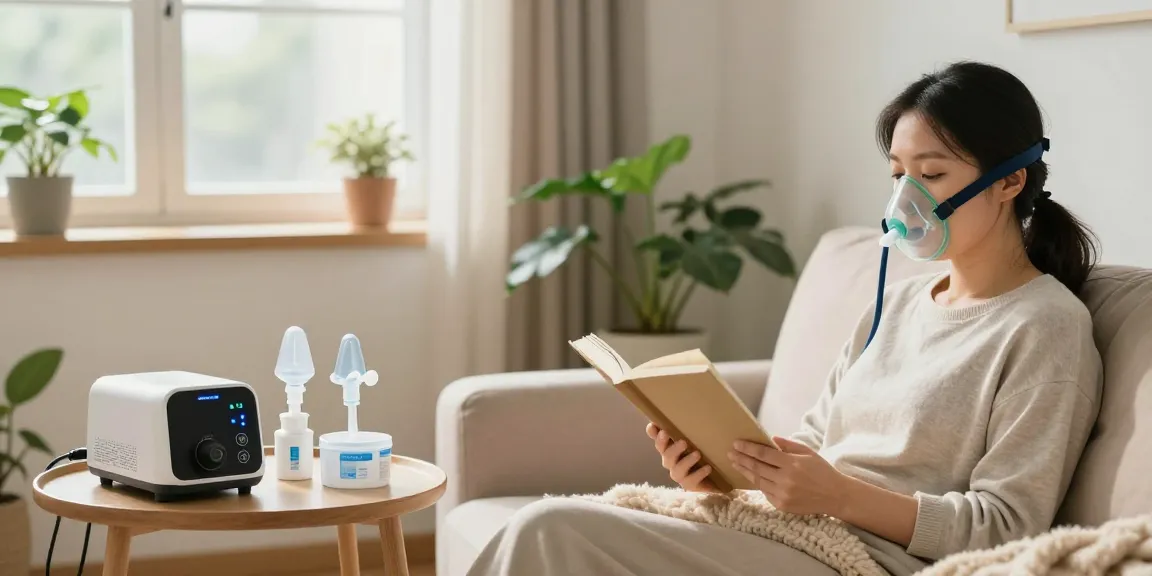
Understanding CPAP Supply Essentials
Continuous Positive Airway Pressure (CPAP) therapy is a vital treatment for individuals suffering from obstructive sleep apnea (OSA). Having an adequate supply of CPAP equipment is essential to ensure effective therapy. Understanding the components of your cpap supply kit and how to maintain it can significantly enhance your overall health and sleep quality. Below, we explore the essentials of CPAP supplies, common misconceptions, and guidance on selecting the right equipment for individual needs.
What to Include in Your CPAP Supply Kit?
A well-equipped CPAP supply kit is key to successful therapy. At a minimum, your kit should include:
- CPAP Machine: The core device that delivers airflow to prevent airway obstruction.
- CPAP Mask: The interface that fits over your nose or mouth to deliver the air.
- Headgear: Straps that secure the mask in place for consistent pressure delivery.
- Humidifier: Helps to moisten the air, reducing irritation in the throat and nose.
- Filters: Prevent dust and allergens from entering the machine.
- Tubing: Connects the CPAP machine to the mask, allowing airflow.
Common Misconceptions About CPAP Supplies
Many myths surround CPAP therapy that can lead to confusion or improper usage. Here are a few:
- CPAP is Only for Severe Cases: Many people incorrectly believe that CPAP therapy is only needed for severe sleep apnea. However, even mild cases can benefit from effective treatment.
- CPAP Machines Are Noisy: Modern CPAP machines are designed to operate quietly, ensuring they do not disturb sleep.
- All Masks Are the Same: With various styles available, it’s crucial to select a mask that fits your face shape and breathing style.
Choosing the Right CPAP Mask for Your Needs
Finding the right mask is essential for therapy adherence. Here are some tips:
- Consider Mask Types: There are nasal masks, full-face masks, and nasal pillows, each catering to different preferences and breathing patterns.
- Fit is Key: Ensure the mask fits snugly but comfortably. A poor fit can lead to leaks and reduced effectiveness.
- Trial and Consultation: Work with healthcare providers to try different masks and select the most suitable option.
Identifying Common CPAP Supply Errors
Even with a complete kit, mistakes can affect CPAP therapy. Understanding these common errors can help maintain effective treatment.
Common CPAP Supply Usage Mistakes
Common mistakes include:
- Inconsistent Use: Skipping nights can significantly affect therapy outcomes.
- Ignoring Pressure Settings: Always use the therapy pressure settings as prescribed; adjustments should only be made under a doctor’s supervision.
- Not Checking Equipment: Regular equipment checks can prevent issues like leaks or malfunctions.
How Improper Maintenance Affects Performance
Neglecting maintenance can lead to decreased device performance and potentially expose users to health risks. Here’s how:
- Dirty Equipment: Bacteria and mold can flourish on unclean tubes and masks.
- Weakened Components: Over time, parts like masks and tubing can degrade, impacting airflow and comfort.
Signs That Your CPAP Supplies Need Replacement
Being vigilant about the condition of your supplies is essential. Look for these signs:
- Visible Wear: Check for cracks, tears, or wear on the mask or tubing.
- Persistent Discomfort: If you begin to experience discomfort or air leaks, it may signify a need for replacement.
- Reduced Airflow: A noticeable drop in airflow may mean obstructions or a malfunctioning machine.
Best Practices for Maintaining Your CPAP Supplies
Proper maintenance can increase the lifespan of your CPAP supplies and enhance their effectiveness.
Daily and Weekly Maintenance Routines
Establishing a maintenance routine is essential for keeping your equipment in top condition:
- Daily: Wipe the mask and headgear with a soft cloth or CPAP cleaning wipe. Check for leaks.
- Weekly: Disassemble and wash the mask, tubing, and humidifier chamber with mild soap and warm water.
Proper Cleaning Techniques for CPAP Equipment
Cleaning your CPAP equipment correctly is vital to prevent infections:
- Avoid Harsh Chemicals: Use only mild soap and water or dedicated CPAP cleaning solutions.
- Rinse Thoroughly: After cleaning, rinse all components thoroughly to remove any soap residue.
- Air Dry: Allow all parts to air dry completely before reassembling.
How to Store CPAP Supplies Correctly
Proper storage is crucial in maintaining the integrity of your CPAP supplies:
- Cool, Dry Place: Store your equipment in a cool and dry area, away from direct sunlight.
- Avoid Damp Areas: Moisture can lead to mold and bacterial growth, so avoid bathrooms or humid areas.
Real-Life Examples and Case Studies
Learning from the experiences of others can provide valuable insights into effective CPAP supply management.
Success Stories of Proper CPAP Supply Usage
Many users report significant improvements in sleep quality and energy levels after following best practices in their CPAP use. For instance, a study highlighted that individuals who adhered to their maintenance routines experienced enhanced overall health and a marked improvement in sleep apnea symptoms.
Case Study: Overcoming Supply Challenges
One patient faced challenges with frequent mask leaks. After consulting with a CPAP specialist, they shifted to a nasal pillow mask which improved comfort and adherence, showcasing the importance of personalized equipment management.
Expert Insights on Effective CPAP Supply Management
Experts recommend regular consultations with healthcare providers to ensure the equipment and supplies are up to date and relevant. Furthermore, staying informed about new developments in CPAP technology can help users maximize their treatment’s effectiveness.
Future Trends in CPAP Supply and Technology
As the field of sleep therapy evolves, staying abreast of emerging technologies can improve treatment outcomes.
Emerging Technologies for Enhanced Sleep Quality
Innovations such as integrated sleep tracking, smart CPAP machines, and advanced humidification systems are on the rise:
- Smart CPAP Machines: These devices can adjust pressure settings automatically based on real-time feedback.
- Integrated Sleep Trackers: Many new machines come equipped with tracking features to monitor sleep patterns and apnea events.
What to Expect in CPAP Supply Developments by 2026
By 2026, we can anticipate advancements including:
- Improved Masks: Development of lighter materials and customizable fit options.
- Telehealth Integration: Increased use of telehealth for ongoing support and supply management.
- AI-Driven Solutions: Utilizing artificial intelligence to analyze sleep data and optimize therapy.
Adapting to Changes: Insights from Industry Experts
Industry experts emphasize the importance of adaptability. As technologies advance, users should remain open to trying new products and therapies that can potentially enhance their sleep quality.
How can I ensure my CPAP supply is adequate?
Regularly review your supply kit to confirm you have all necessary components. Keep track of usage and replace items as needed to ensure consistent therapy.
What are the common signs that a CPAP mask needs replacement?
Signs include visible wear and tear, persistent discomfort during use, and air leaks that cannot be adjusted.
How often should I clean my CPAP equipment?
Daily maintenance should include wiping the mask and checking for leaks, while a more thorough cleaning of the mask, tubing, and humidifier should be done weekly.
What are the benefits of using the right CPAP supplies?
Utilizing the appropriate CPAP supplies can lead to improved compliance, better sleep quality, enhanced overall health, and a reduced risk of complications associated with sleep apnea.
Are there new technologies in CPAP supplies coming in 2026?
Yes, advancements predicted include smart technology integration, better materials for comfort, and tools that improve user engagement and adherence to therapy protocols.